

Toward Sustainable Tourism
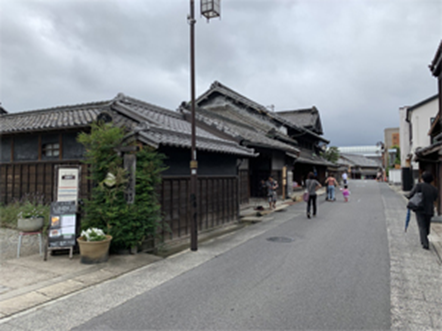
To promote sustainable tourism, we are focusing on Kaido Tourism, an approach that transforms the simple act of walking into a tourism experience.
Through our program, Sustainable Travel: KAIDO, travelers walk along Japan’s historic routes while rediscovering the history and culture that lie hidden along the way. By encouraging medium- to long-term stays, the program offers a deeper and more meaningful way to experience the regions through which these routes pass.
Walking is perhaps one of the most environmentally sustainable ways to travel. Rather than simply consuming existing tourism resources, our approach uncovers the history and culture rooted in local communities and transforms them into experiences, products, and services that can remain valuable for generations to come.
We believe this offers a unique model for truly sustainable tourism.
Revitalizing Culture
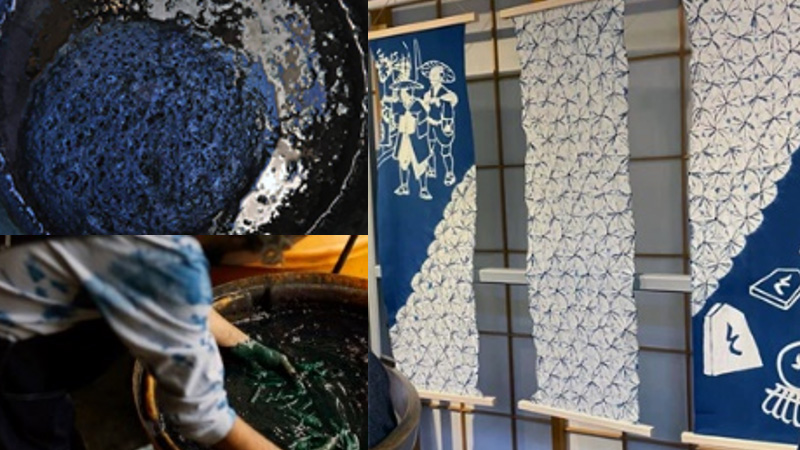
We bring back traditional techniques and methods that once existed but have gradually fallen out of use in the pursuit of efficiency.
By adapting them to contemporary lifestyles and adding new value, we transform these traditions into products that can once again become part of everyday life.
Reimagining Culture
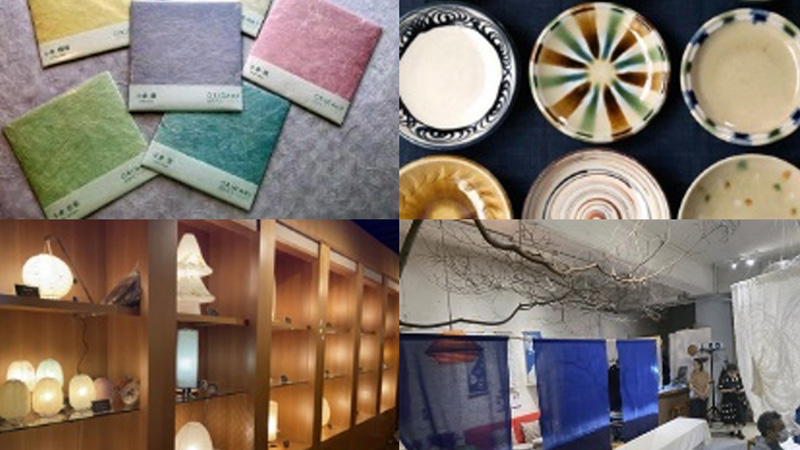
Japan has long celebrated the changing seasons through traditions such as the Gosekku (Five Seasonal Festivals) and the 24 Sekki (24 Seasonal Divisions), combining seasonal experiences with crafts—for example, enjoying cherry-blossom viewing with special bento meals and traditional sake vessels.
Under the concept of Kogei Yusan, we create opportunities to rediscover the pleasure of bringing craftsmanship into everyday life and enjoying it alongside Japan’s changing seasons.
Experiencing Culture
The pilgrimage to Ise Jingu, known as O-Ise-mairi, is considered one of the origins of tourism in Japan. At its peak during the Edo period, it is said that as many as one in six people in Japan made the journey to Ise.
Supporting these travelers were the Ise Onshi, religious guides who provided pilgrims with accommodation, guidance, and hospitality.
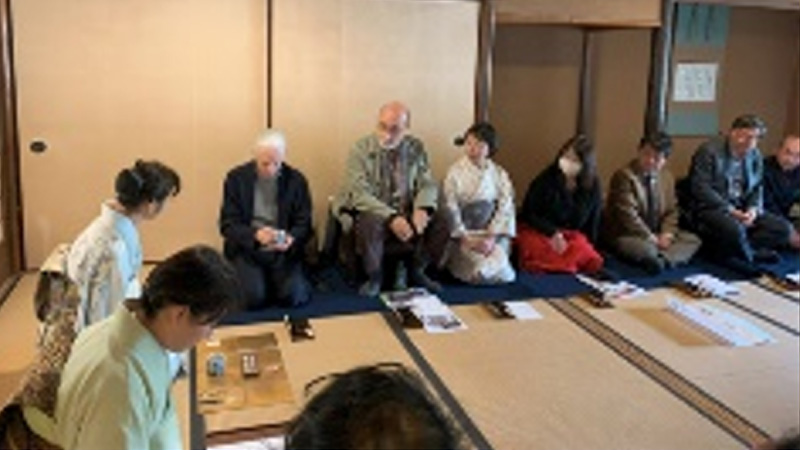
Through conversations with a 17th-generation Onshi whose family tradition dates back to the Edo period, visitors can experience aspects of this historic journey—from monko, the traditional art of appreciating incense, to the cuisine once served to pilgrims at an Onshi residence.
A Cultural Pilgrimage: Rediscovering and Revitalizing Japan’s Cultural Heritage
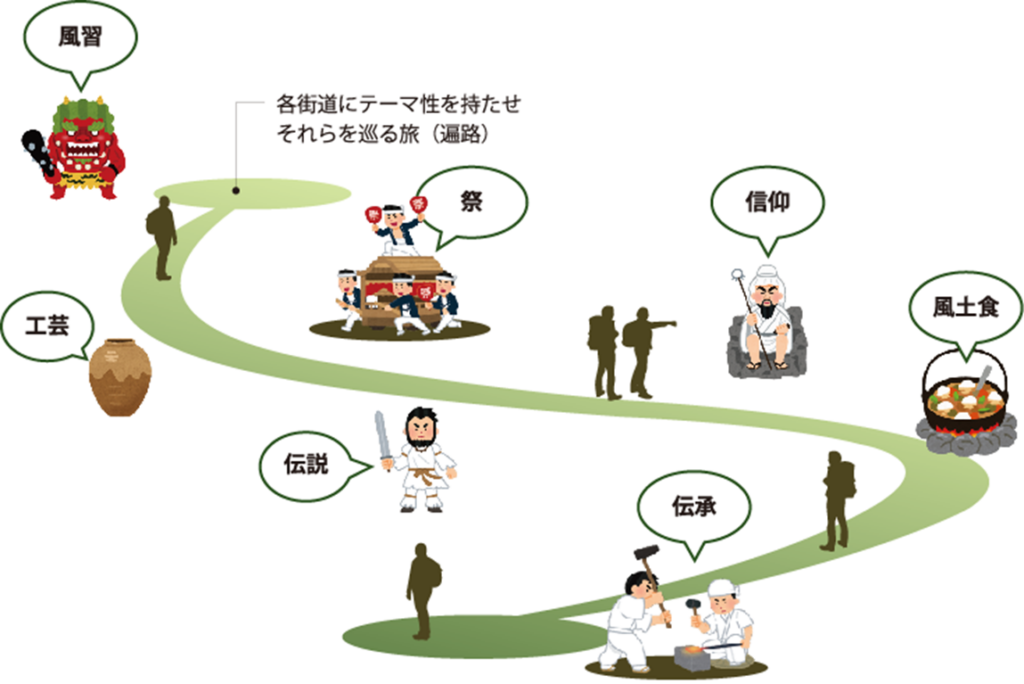
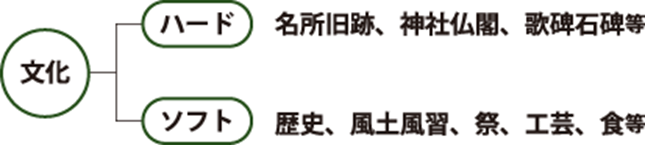

Rather than simply uncovering cultural traditions buried beneath layers of history, we breathe new life into them—transforming them into experiences, products, and services that remain relevant in the modern world.
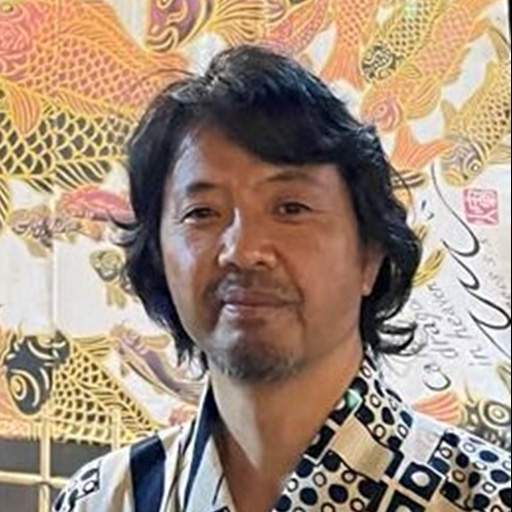
Shinsuke Harata
原田 伸介
In 2005, at Expo 2005 Aichi, Japan (Aichi Expo), Harata planned and implemented the “Wardian Case for the 21st Century Project” in collaboration with BASSC, a U.S. polar research organization in Arctic Alaska. The project brought Arctic plants back to Japan for exhibition and study.
He subsequently worked on a wide range of regional development and tourism projects, including the Kochi Hana-Hito-Tosa Deai Expo and COP10, the 10th Meeting of the Conference of the Parties to the Convention on Biological Diversity.
As Deputy Director of the Ise-Shima Summit Support Promotion Office at the Central Japan Economic Federation, he was also involved in public relations activities for VIPs and international media, including the production of Mori Koro, an official ALL JAPAN exhibition piece presented at the International Media Center.
Currently, as Head of the JPM Business Group at Shinto Tsushin Co., Ltd., he is involved in a variety of projects connecting local government and private-sector initiatives through approaches such as PFI, including projects at Higashiyama Zoo and Botanical Gardens and Kinshachi Yokocho at Nagoya Castle.
He is also working to develop Sustainable Travel: KAIDO, a cultural pilgrimage program designed to promote sustainable tourism. Through medium- and long-term stays, participants walk Japan’s historic routes while rediscovering the history and culture found along the way—including traditional crafts, festivals, customs, and food.
More recently, he has been involved in projects including the 20th Anniversary of Expo 2005 Aichi through the Japan Association for Event Studies, as well as the International Forum for Global Citizen Dialogue on Water, Watersheds, and Connecting Life at Expo 2025 Osaka, Kansai, Japan.